







Videos
AFib Can Cause A Stroke - :15-PSA
AFib Can Cause A Stroke - :30-PSA
AFib Can Cause A Stroke - :60-PSA
Photos
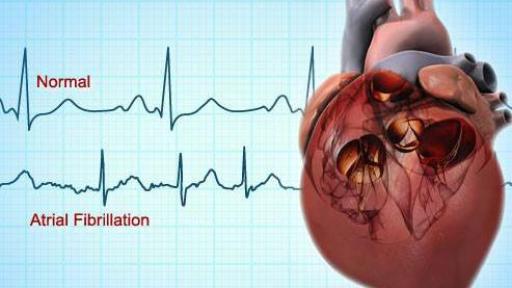
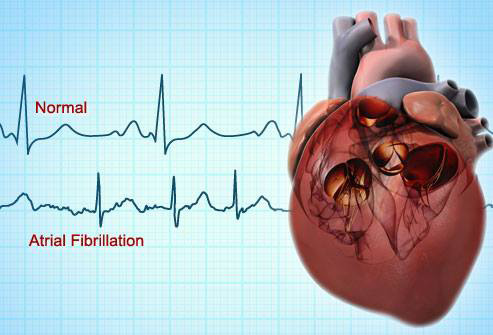
AFib Feels Like
Irregular heartbeat
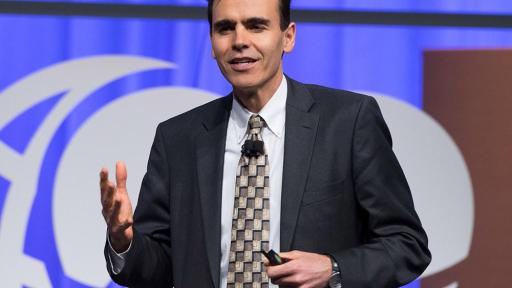
Dr. John Day
Links
HEART RHYTHM SOCIETY RAISES AWARENESS OF THE DEVASTATING IMPACT OF AFIB-RELATED STROKE FOR MILLIONS OF AMERICANS
New public service announcement explains increased risk and severity of stroke caused by atrial fibrillation
PR Newswire, WASHINGTON, August 27, 2015 — The Heart Rhythm Society (HRS), through its efforts during Atrial Fibrillation Awareness Month in September and throughout the year, is working to raise awareness of the increased prevalence of the disease and the associated risk of stroke in patients living with atrial fibrillation (AFib). Today, HRS releases a new public service announcement (PSA) as part of its ongoing work to educate Americans about AFib, the most common heart arrhythmia, and how it increases one’s risk of stroke fivefold. The PSA can be viewed by clicking here.
AFib affects more than three million Americans and it is estimated that 12 to 16 million Americans will have AFib by 2050. AFib occurs when the upper chambers of the heart (the atria) fibrillate, or “quiver,” which causes a rapid, irregular heart rhythm. The normal heart rate for an adult is between 60 and 100 beats every minute. When the heart is experiencing AFib, the atria can beat over 300 times every minute.
During AFib, blood pools in the atria, which can allow a clot to form. If a blood clot breaks free, it can enter the bloodstream and cause a stroke. One out of every four strokes in the United States is a result of AFib, and patients who experience a stroke caused by AFib are twice as likely to be severely disabled. In addition, strokes caused by AFib have double the mortality rate of other stroke causes. Because of this, stroke prevention is a primary treatment goal in AFib.
“Having an AFib-related stroke can severely impact the quality and duration of a person’s life. There are several prevention methods that can lower the risk of stroke for AFib patients like anticoagulants or blood thinners,” said John Day, MD, FHRS, President of the Heart Rhythm Society, and Director, Heart Rhythm Services at Intermountain Medical Center. “The Heart Rhythm Society encourages each person to learn more about AFib and its connection to stroke. Becoming aware of warning signs, risks and treatment options has the potential to save lives.”
In addition to the PSA, HRS has other resources available for both clinicians and patients about AFib risk factors and treatment options that can be found at MyAFib.org. Resources include a “Guide to Atrial Fibrillation” developed by experts in the field and an AFib Risk Assessment, an interactive tool designed to help individuals estimate their risk of AFib.
About the Heart Rhythm Society
The Heart Rhythm Society is the international leader in science, education, and advocacy for cardiac arrhythmia professionals and patients, and the primary information resource on heart rhythm disorders. Its mission is to improve the care of patients by promoting research, education, and optimal health care policies and standards. Incorporated in 1979 and based in Washington, DC, it has a membership of more than 5,800 heart rhythm professionals in more than 72 countries around the world. For more information, visit www.HRSonline.org.
Media Contact:
Christina Wurster
202-464-3415
[email protected]